Astro and SEO: What Actually Moves the Needle
A framework can only solve the checklist part of SEO, and the checklist part is the part everybody already passes. Here is what is actually left.
Sooner or later a client asks whether the site is “optimized for SEO”, and the honest answer is uncomfortable: the part a framework or a template can do for you is the part that everyone else has already done. Sitemaps and meta tags are table stakes. Nobody outranks anybody on table stakes.
We sell Astro templates, so we have an obvious interest in you believing that the technical side matters enormously. It matters, but less than the pitch usually implies, and it matters in a specific way that is worth being precise about.
What the build should already be doing
On a small site, this list is not a competitive advantage. It is the floor, and the only real requirement is that you clear it without thinking about it:
- A unique
<title>and description per page, generated from the content rather than typed twice - A canonical URL on every page
sitemap.xmlandrobots.txt, generated at build time- Open Graph and Twitter card tags, with an image that actually exists
- Semantic HTML — one
h1, headings in order, real<a>elements for links - Images in a modern format, at the size they are displayed, with dimensions set so nothing shifts as they load
- Structured data where it is truthful:
Articleon posts,LocalBusinessif you are one
If a template ships all of that, it has saved you a tedious afternoon. It has not given you an edge. Assume every site you are competing with has the same list handled, because Astro, Next, Hugo, Webflow and Squarespace all make it easy now.
Where the ranking actually comes from
Three things, roughly in this order.
Pages that answer a query. A six-page portfolio has six chances to match what someone typed. If you do brand identity, packaging and web design, and all three live as bullet points on one Services page, you are competing for all three keywords with a page that is specifically about none of them. Three pages, each about one thing, using the words your clients use rather than the words you use internally, will beat one page every time. This is the single most common fix, and it is a content decision, not a technical one.
Content only you could have written. A case study with the real client, the real constraint and the real outcome is not replaceable by anybody, and it is the only page on your site that nobody else can publish. Three of those beat thirty posts about design trends. If you have nothing specific to say on a blog, the blog is not helping you — an abandoned articles section with two posts from 2024 is worse than no articles section.
Someone else linking to you. Still the thing that separates two otherwise identical sites. Not bought links: the directory for your city, the client who credits you in their footer, the community site for your stack, the podcast you were on. Three real ones are worth more than a hundred of anything automated.
The speed question, honestly
Astro ships static HTML and hydrates only the components that need it, so a portfolio built with it can genuinely be close to zero JavaScript. That is a real technical advantage and it is why we build on it.
It is also a tiebreaker, not a lever. Core Web Vitals is a small ranking factor that behaves like a threshold: being fast enough stops you losing ground, and being extremely fast does not buy you positions. What being fast does buy you is the thing that actually pays — people staying long enough to read the page, on the phone, on a bad connection, where most of your traffic is.
The useful way to think about it: Astro does not make you fast, it makes fast the default and slow a decision you have to make on purpose. The failure mode is real, though. Add a heavy carousel, three font families, an embedded map and a chat widget, and you will land in the same place as everybody else — the framework does not protect you from what you install.
What is theater
Chasing 100 in Lighthouse. The last few points are almost always an interaction cost you are paying for a number nobody but you will see. Get into the green, stop, go write a case study.
Keyword density and meta keywords. The first has not been how it works for over a decade. The second has been ignored since 2009.
Plugin checklists. A list of eleven SEO integrations is not a strategy, and on a static site most of them are doing nothing you could not do in a layout file with six lines of markup.
Structured data for everything. Schema helps when it describes something real and eligible for a rich result. Marking up your About page as a Course is not clever, and invented markup can get your snippets dropped entirely.
Publishing weekly because a calendar says so. Thin content does not accumulate into authority. It accumulates into pages nobody reads, and it lowers the average quality of everything indexed under your domain.
What I would actually do in the first week
- Connect Search Console and submit the sitemap. Then come back in a week and read which queries you are already showing up for. That list is more useful than any keyword tool, because it is your site and your real impressions.
- Check what is indexed. Not what is live — what is indexed. Demo content you forgot to delete, a staging URL that got crawled, a paginated archive duplicating your posts.
- Split the services page. One page per thing you sell, named the way a client would search for it.
- Rewrite your titles for a human. Front-load the specific words, keep it under about sixty characters, and never ship the template’s placeholder. “Brand Identity Design — Studio Name” reads better in a results page than “Home | Studio Name” and tells a person what they are about to click.
- Get three links. Ask the two clients you are on the best terms with, and add yourself to the one directory your industry actually uses.
None of that is Astro-specific. That is the point.
What a template changes about this
It removes the floor from your to-do list, and it does not pretend to do more. The metadata, the canonicals, the sitemap, the social cards, the image pipeline and the schema are written once, generated from your content, and then they are not your problem — which is the correct amount of attention to give the part that everyone passes.
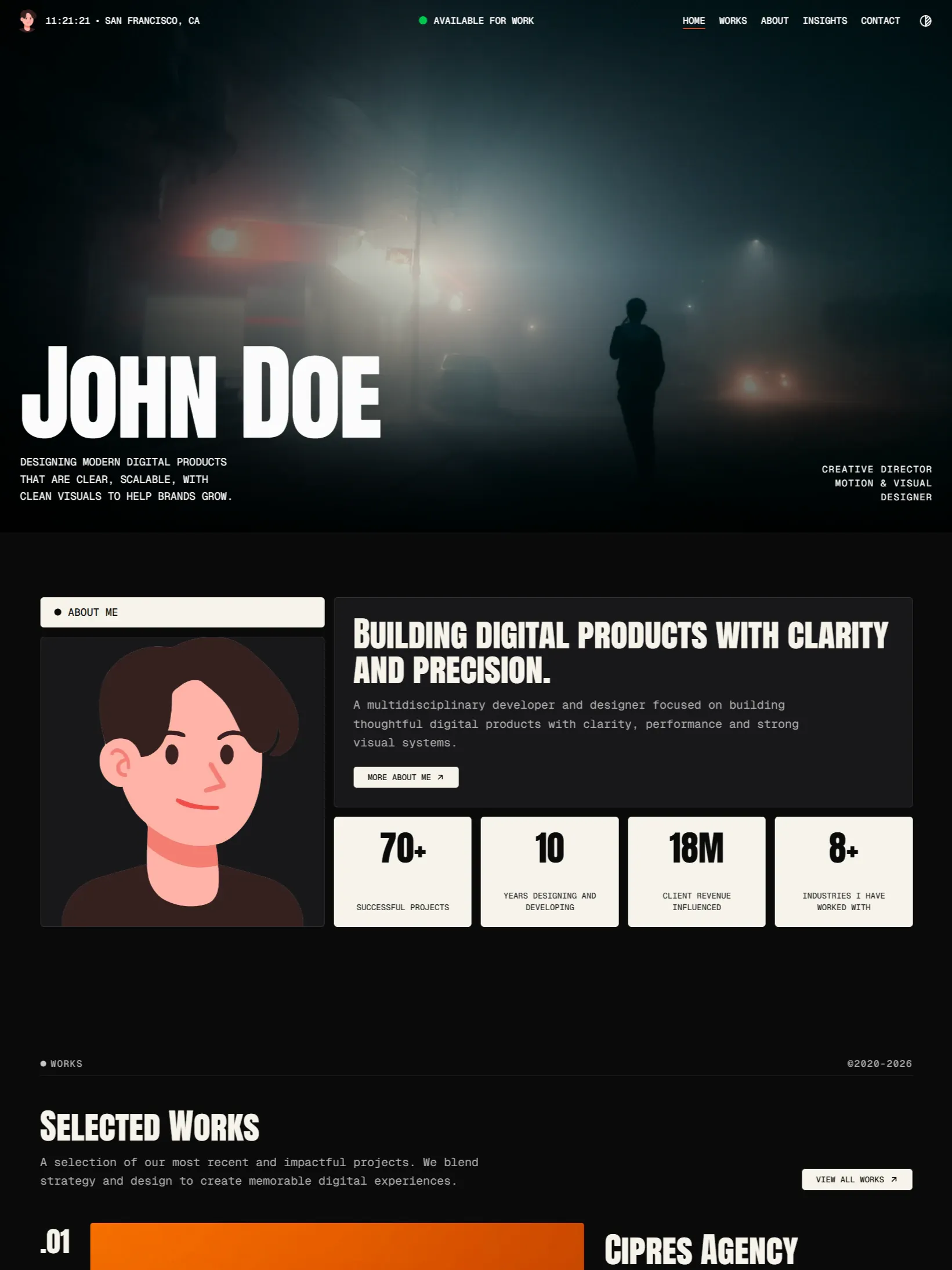
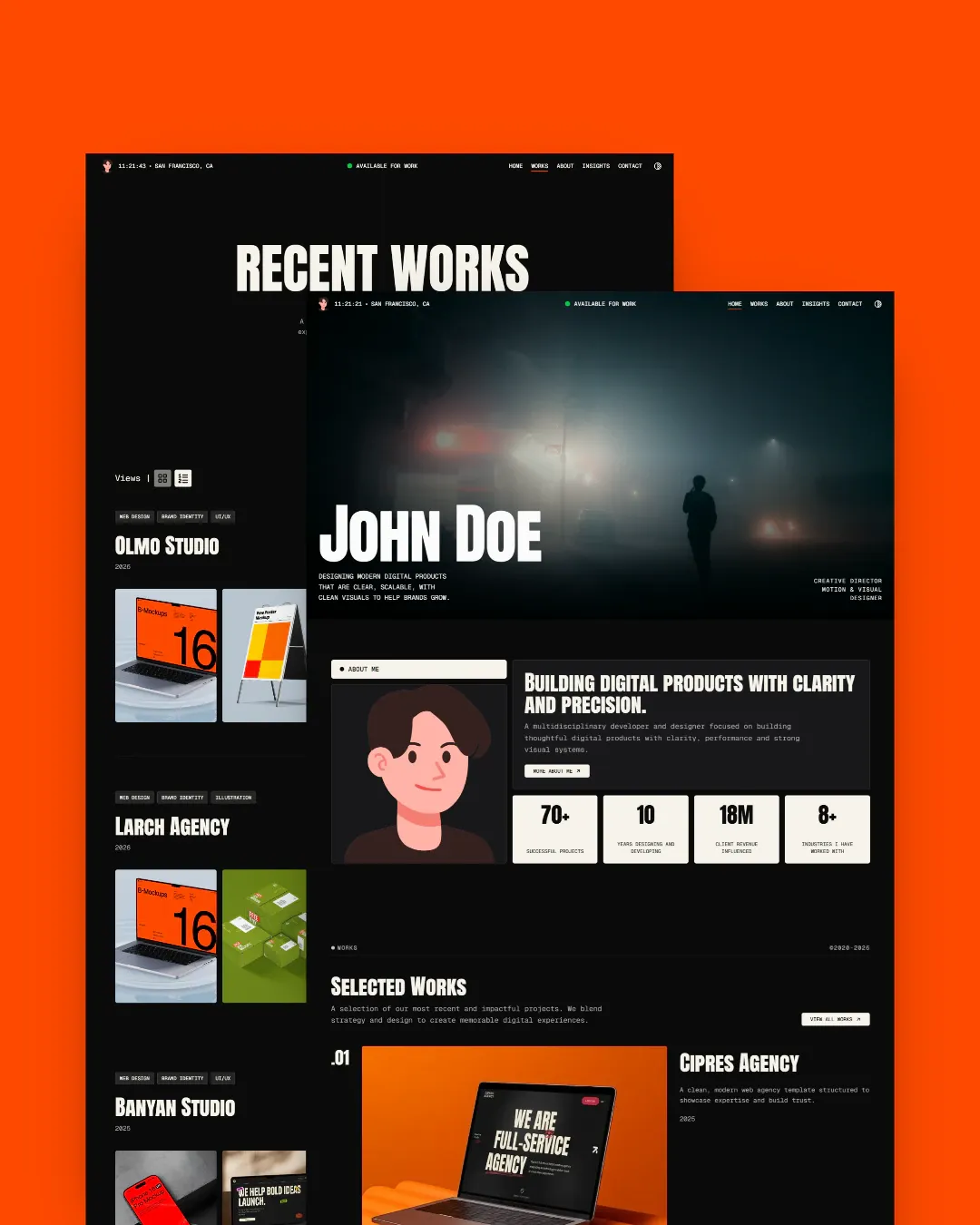
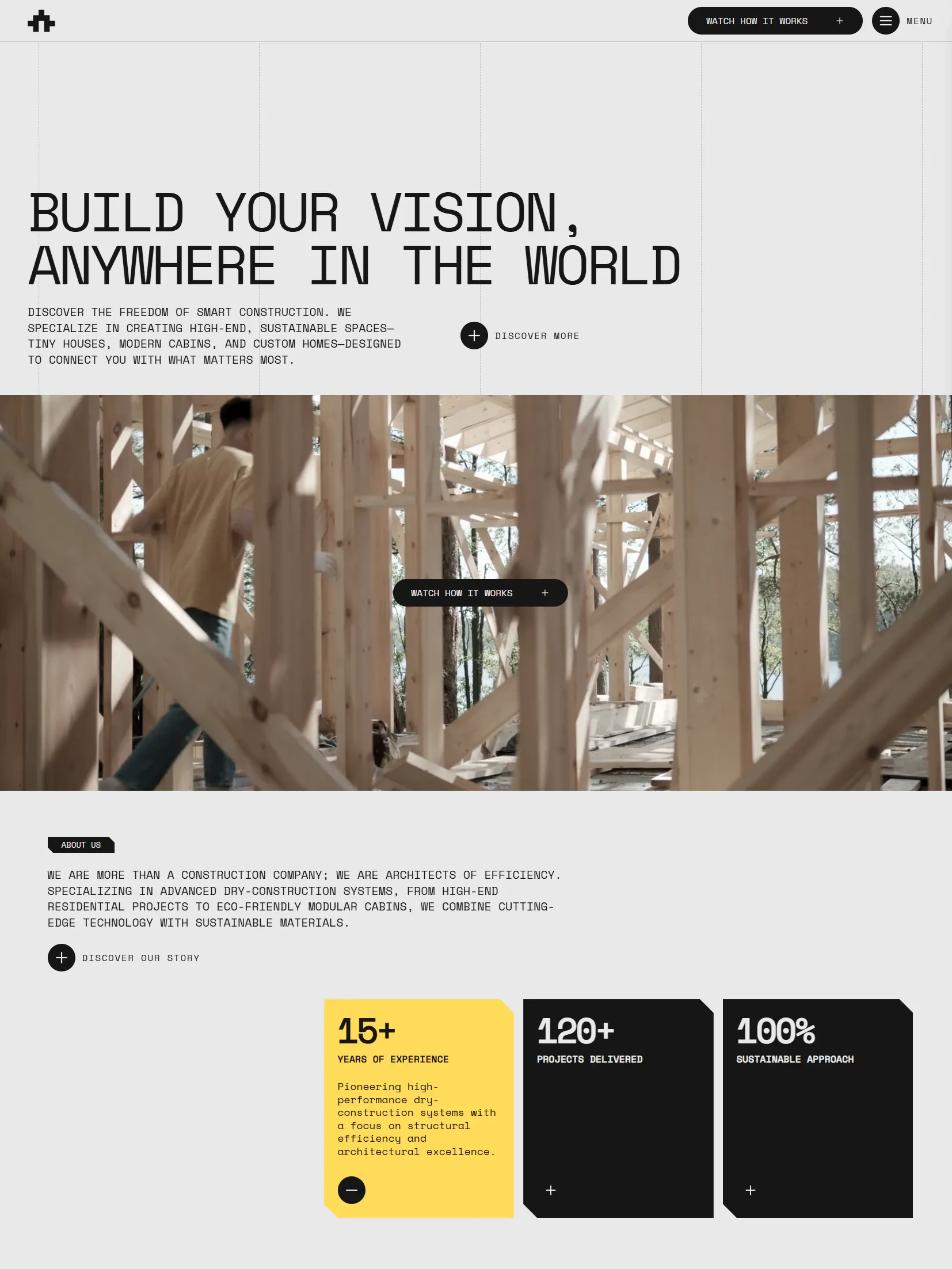
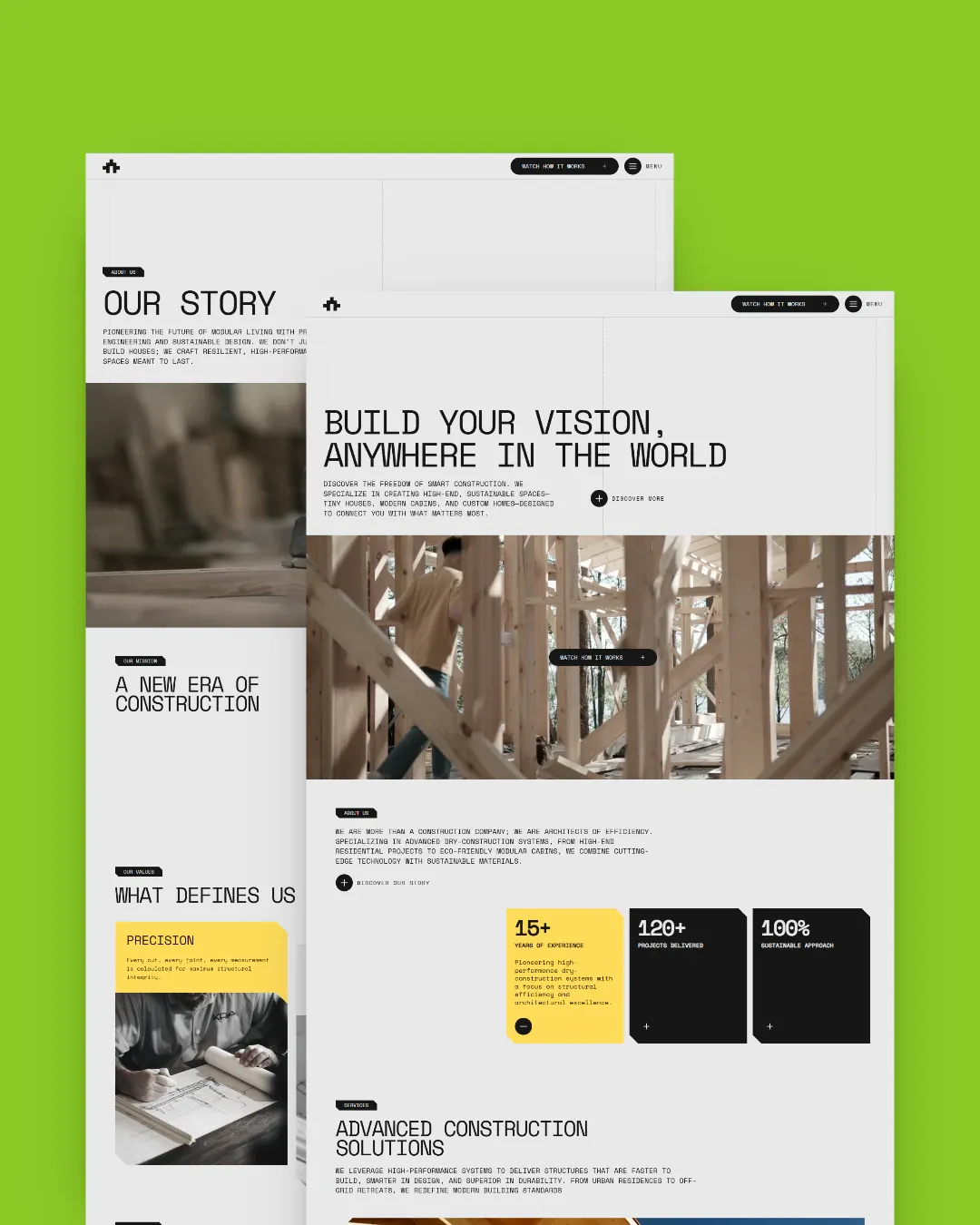
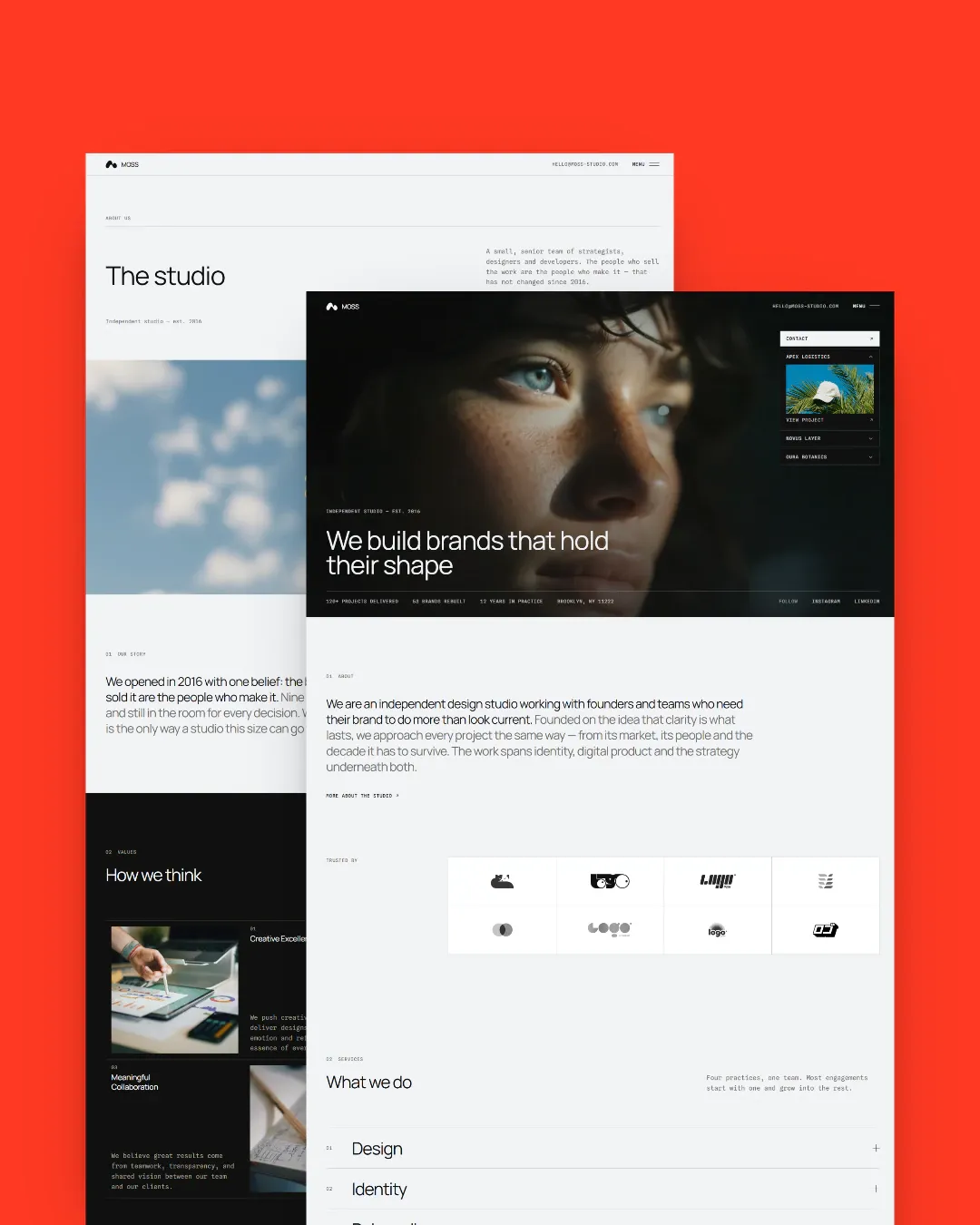
What is left is the work that moves the needle, and the templates are shaped to make it cheap: Service Folio has a paginated blog and case studies with RSS, so adding a page is writing a file. Bark Architecture and Moss Studio do the same and add dedicated service pages, which is where the one-page-per-offer split actually lives. All three are Astro 7 and Tailwind CSS 4, with the content in Markdown, and the demos are the real templates deployed — run them through PageSpeed yourself before you take our word for any of this.
The short version
The technical side of SEO is a solved checklist, and a decent Astro template hands it to you finished. What is left is the unglamorous part: pages that match what people search for, content nobody else could publish, and a few real links. Speed keeps you in the race; it does not win it.