Template vs Custom Build for Client Sites: The Freelancer Math
A custom build feels like the more professional answer. Run the numbers on hours, margin and maintenance and it is usually the more expensive one — for you, not the client.
We sell templates, so take this with that in mind. But the argument here is not “templates are always better”. It is that most freelancers decide between a template and a custom build on feel, and the decision is really about arithmetic. Once you write the numbers down, the answer is usually obvious — and sometimes it is custom.
Where the hours actually go
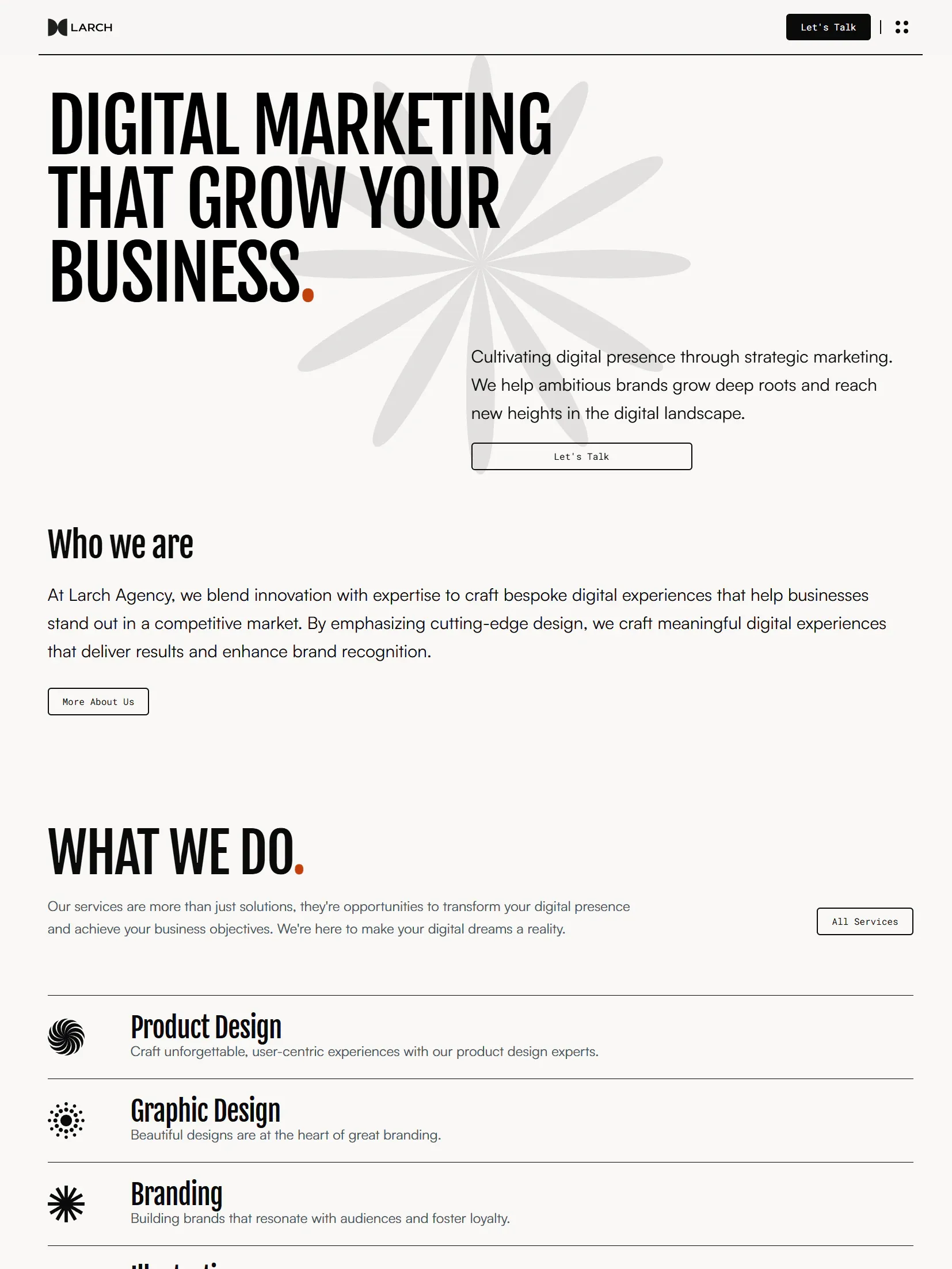
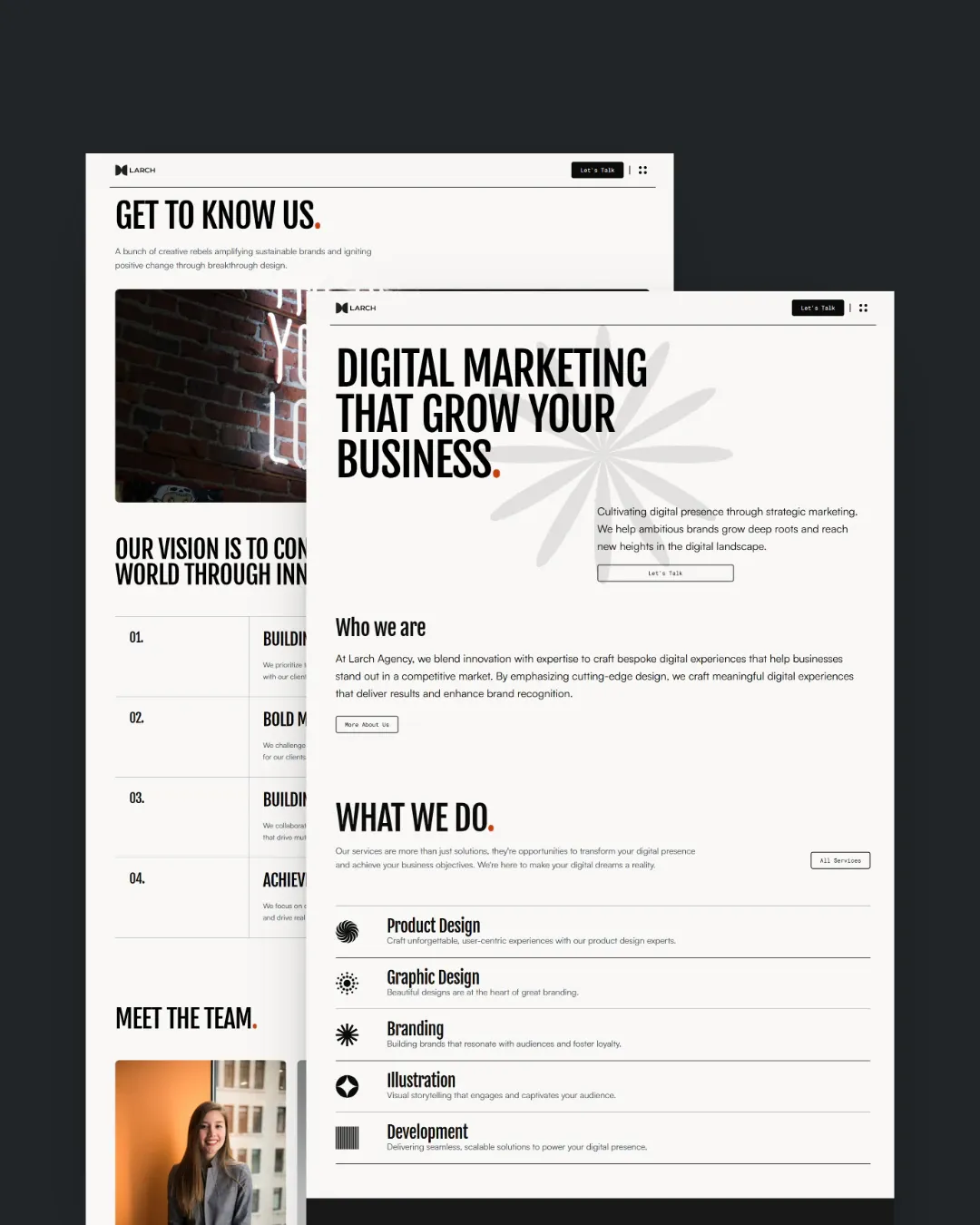
Take a typical small-business or studio site: home, about, services, a few case studies, a blog, a contact form. Before you write a line of the client’s actual content, a custom build needs:
- Layout, navigation and a responsive grid that holds up on every screen.
- Routing and content structure for projects, services and posts.
- Image handling that does not wreck the page weight.
- A contact form that delivers email and does not drown in spam.
- Titles, descriptions, Open Graph images, a sitemap, structured data.
- Deploy configuration, redirects, a 404 page.
None of that is what the client is paying for. They are paying for their brand, their copy and their projects on a site that works. The foundation is necessary, invisible, and the same every time — and on a custom build it is usually the bulk of the hours.
The math, with your numbers
Here is the comparison to run. Plug in your own rate and your own honest estimates; the example figures are only there to show the shape.
| Custom build | From a template | |
|---|---|---|
| Foundation (layout, routing, SEO, forms, deploy) | 30–50 h | 0–3 h |
| Branding and design adaptation | 10–20 h | 6–12 h |
| Content and client revisions | 10–15 h | 10–15 h |
| Template cost | — | one-time purchase |
The content row does not move. Clients take the same time to send copy whichever way you build. What moves is the foundation, and that is the row you were going to bill at the same rate as the creative work.
If you quote a fixed price, every hour you save is margin. If you bill hourly, every hour you save is either a cheaper quote that wins the job, or a week you get back for the next client. Either way the template pays for itself on the first project, usually in the first day.
Where the license changes the math
This is the part people skip. A template’s price is not the number on the page — it is that number divided by how many sites you can use it on.
A single-use license means you buy it again for every client. That turns a template from an asset into a per-project expense, and it pushes you back toward building from scratch, because your own code at least does not charge you twice.
An unlimited-project license flips that. You learn the codebase once, and every client after the first starts from a foundation you already know. The second site is faster than the first, the third faster again. That compounding is the whole point of a freelancer having a toolkit at all.
Our templates are licensed this way: buy once, use on as many client sites as you build. The one thing you cannot do is resell the template itself, or turn it into a site builder. The License has the exact wording.
When custom is the right call
A template is the wrong starting point when:
- The site is the product. An interactive experience, a campaign microsite built around one idea, anything where the structure itself is the creative work.
- The data model is unusual. If the client needs logins, bookings, a store with real inventory, or a dashboard, you are building an application. Start from the application, not a marketing site.
- The design system already exists. If the client hands you a full component library from another agency, adapting a template means fighting it. Build to the system you were given.
- You are pricing the build as R&D. Sometimes a custom foundation is an investment in your own reusable starter. That is legitimate — just count the hours honestly and know you are paying for a product, not a project.
For a services site, a portfolio, a studio or an architecture practice, none of these usually apply.
What to tell the client
Be straightforward about it. “I build on a professional foundation and spend your budget on your brand and content” is a better pitch than pretending every line was written for them. Clients care that the site is fast, looks like them and works on day one. Very few care where the grid came from.
Two practical points for the handoff:
- The client gets their site’s source. They can host it and have any developer maintain it. What they cannot do is reuse it as the starting point for another site — that right stays with you.
- Set up the accounts in their name. If the contact form needs a mail service or a rate limiter, create those under the client’s account, not yours. You do not want to be the reason their form stops working after you have moved on.
Price the outcome, not the hours
The real trap is billing a template-based site as if you had built it from scratch, then feeling odd about it — or billing it as if it took a day and leaving money on the table. Do neither. Quote what the finished site is worth to the client: a credible, fast site with their projects and their voice. How quickly you can deliver that is your advantage, not their discount.
The short version
Custom is right when the site is the product or the data model is unusual. For everything else, the foundation is the same each time, and building it by hand is time you cannot bill well. Pick a template with a license that lets you reuse it, learn it once, and spend the hours on the part clients notice.
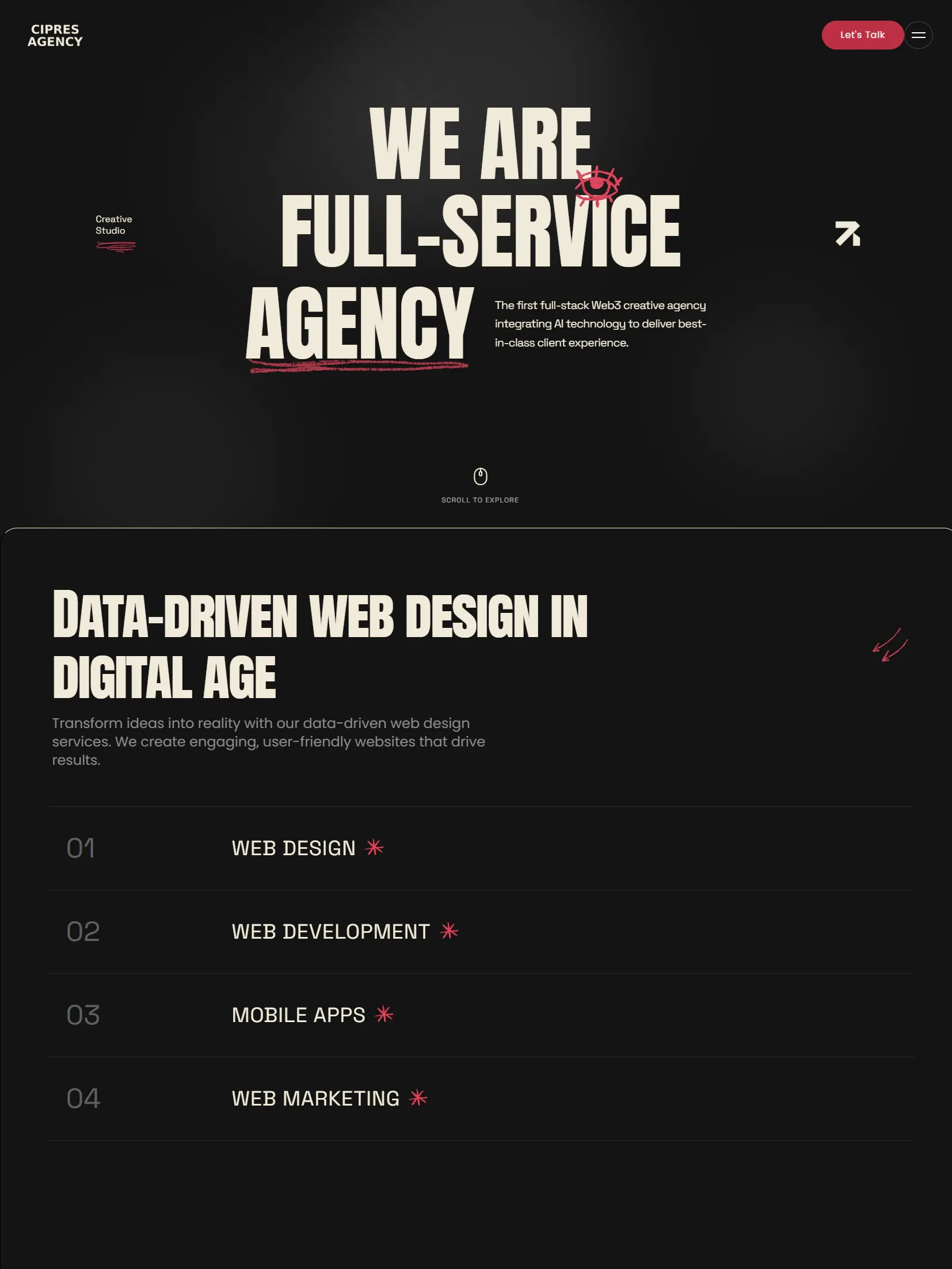
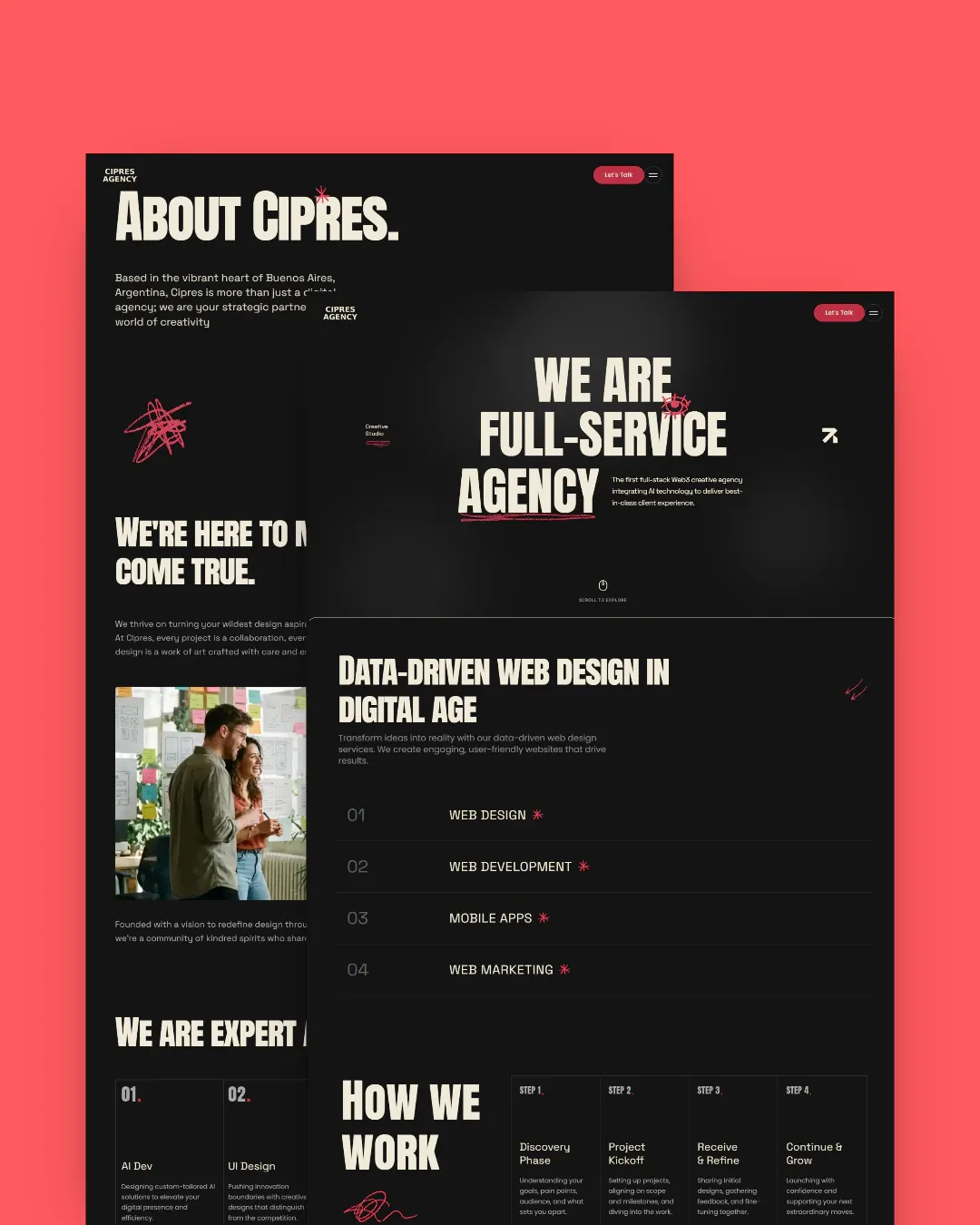
If you want a toolkit to start from, the whole catalog is eleven Astro templates — agency, studio, portfolio and architecture — all licensed for unlimited projects.